
The Rise of Electric Four Wheelers: Versatile, Eco-Friendly Mobility for Modern Lifestyles
new trends and development of electric Four Wheelers
7/22/20253 min read
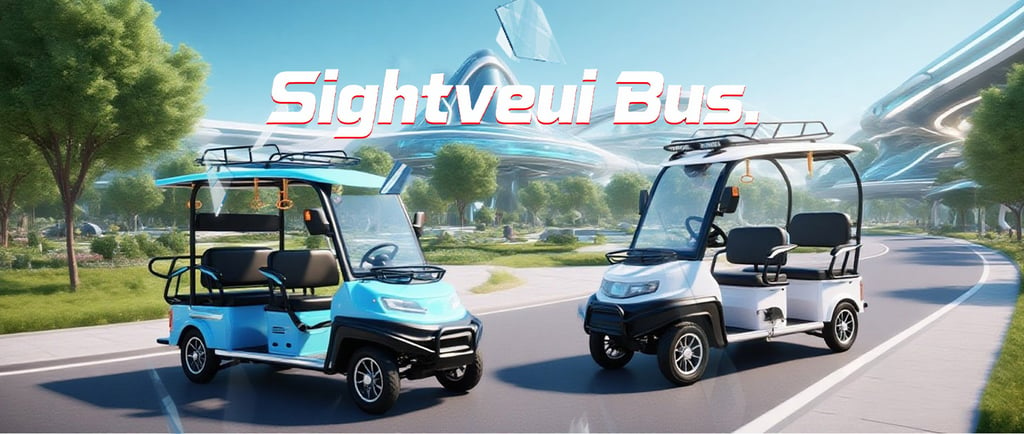
The Rise of Electric Four Wheelers
In recent years, the electric four wheeler has emerged as a transformative force in the global mobility landscape. Blending eco-friendliness, affordability, and adaptability, this category of electric four wheelers caters to diverse needs—from urban commuting and senior mobility to commercial logistics and industrial operations. Unlike traditional electric cars, electric four wheelers encompass a broad range of models, making them a flexible solution for both personal and professional use.
What Defines an Electric Four Wheeler?
An electric four wheeler refers to any four-wheeled vehicle powered entirely by an electric motor and rechargeable battery, with a maximum speed typically ranging from 10 km/h to over 100 km/h depending on the type. This versatility sets it apart from standard electric cars, which focus primarily on highway-capable passenger vehicles. Electric four wheelers are classified into distinct segments, each tailored to specific scenarios.
Low-speed electric four wheelers, often used for senior mobility or short-distance urban trips, are cost-effective (priced between $1,800-$3,000) and require minimal maintenance. They feature simple controls, compact designs, and are ideal for navigating crowded city streets or residential areas. On the other end, high-performance models include electric passenger cars, delivery vans, and industrial utility vehicles, equipped with advanced batteries and smart technologies.
Key Advantages Driving Adoption
The growing popularity of electric four wheelers stems from their compelling benefits. Environmental sustainability stands out: compared to gasoline-powered vehicles, electric four wheelers produce zero tailpipe emissions, and their well-to-wheel carbon footprint is 40% lower when accounting for electricity generation. This aligns with global carbon reduction goals and stricter environmental regulations, further driving the adoption of electric four wheelers.
Economic efficiency is another major draw. Electric four wheelers have lower operating costs, as electricity is cheaper than gasoline, and their simpler mechanical structure reduces repair expenses. For commercial users, models like electric delivery vans cut logistics costs while meeting urban emission restrictions. Additionally, government subsidies, tax exemptions, and charging infrastructure support further boost accessibility.
Practicality fuels demand across demographics. For the elderly, low-speed electric four wheelers offer safe, independent mobility. Urban dwellers benefit from their compact size, easing parking and traffic congestion. Industrial sectors rely on specialized electric four wheelers—such as warehouse transporters and patrol cars—for their quiet operation and maneuverability in confined spaces.
Technology and Policy Trends Shaping the Market
Technological advancements are elevating the performance of electric four wheelers. Battery technology has improved significantly, with lithium-ion batteries extending the average range of electric four wheelers to over 200 km, while smart chargers enable efficient, automated charging cycles. Intelligence is also a focus: L2-level autonomous driving features, vehicle connectivity, and anti-slip control systems are becoming standard in mid-to-high-end electric four wheeler models, enhancing safety and convenience.
Policy support is a critical growth driver. Governments worldwide offer subsidies for electric vehicle purchases, extend tax exemptions, and expand charging networks—with a global target of 50 million charging stations by 2025. Regulatory frameworks are also maturing, with stricter safety certifications ensuring product quality and compliance, particularly for low-speed models.
The market is booming as a result. Global sales of electric four wheelers are projected to exceed 1.8 million units in 2025, with a compound annual growth rate of over 15%. Leading brands include budget-friendly options like Jinpeng and Wuling, and high-tech models from Tesla and BYD, catering to diverse consumer budgets and preferences.
Tips for Choosing the Right Electric Four Wheeler
Selecting an electric four wheeler depends on usage needs. For personal short-distance travel, prioritize low-speed models with sufficient range (100-200 km) and local compliance for licensing. Commercial users should opt for models with load capacity and durability, such as electric delivery vans with refrigeration for fresh goods transport.
Battery type is crucial: lithium-ion batteries offer longer life and faster charging, while lead-acid batteries are more affordable for basic models. Always choose certified products from reputable brands with local after-sales service to ensure maintenance support. Finally, consider charging convenience—home charging compatibility and public charging network access will enhance usability.
The Future of Electric Four Wheelers
As urbanization accelerates and environmental awareness deepens, the electric four wheeler will play an increasingly vital role in sustainable mobility. Ongoing innovations in battery technology and intelligence will expand the capabilities of electric four wheelers, while policy incentives will drive their broader adoption. Whether for daily commutes, elderly mobility, or commercial operations, the electric four wheeler is redefining accessible, eco-friendly transportation for the modern world.